About the Annual Meeting.
The Texas Chapter of the NAEMSP Annual Meeting is a high-energy, high-impact, and high-value conference that brings together EMS Medical Directors and senior EMS leaders from across Texas for an engaging and thought-provoking educational experience focused on advancing the practice of EMS medicine and medical direction.
Relevant to your practice.
Designed for Texas EMS Medical Directors at every stage of their careers, from those new to the role to seasoned EMS physicians, the conference offers valuable insights, practical ideas, and meaningful discussions on the clinical, operational, and administrative challenges facing today’s EMS systems in Texas. Whether serving a small rural agency or a large metropolitan EMS system, attendees will find relevant topics, innovative approaches, and strategies they can take home and incorporate into their own practice.
An open exchange of ideas.
The conference features presentations by experienced EMS physicians and subject matter experts, interactive panel discussions, emerging research, innovative programs and tools, legislative updates, and opportunities to explore and make an impact on important issues shaping the future of EMS in Texas. Unlike traditional conferences, ours encourages ongoing, candid dialogue and spirited discussions among all attendees, creating an interactive environment where everyone has a voice.
Equally important is the opportunity to connect with fellow EMS medical directors and agency leaders from across the state, exchange ideas, build professional relationships, and learn from one another’s successes and challenges.
Meet us in
College Station.
Join us April 5–7, 2027, at the Texas A&M Hotel and Conference Center in College Station, Texas, for three days of education, collaboration, innovation, and outstanding networking with your EMS colleagues from across the Lone Star State.

In memoriam.
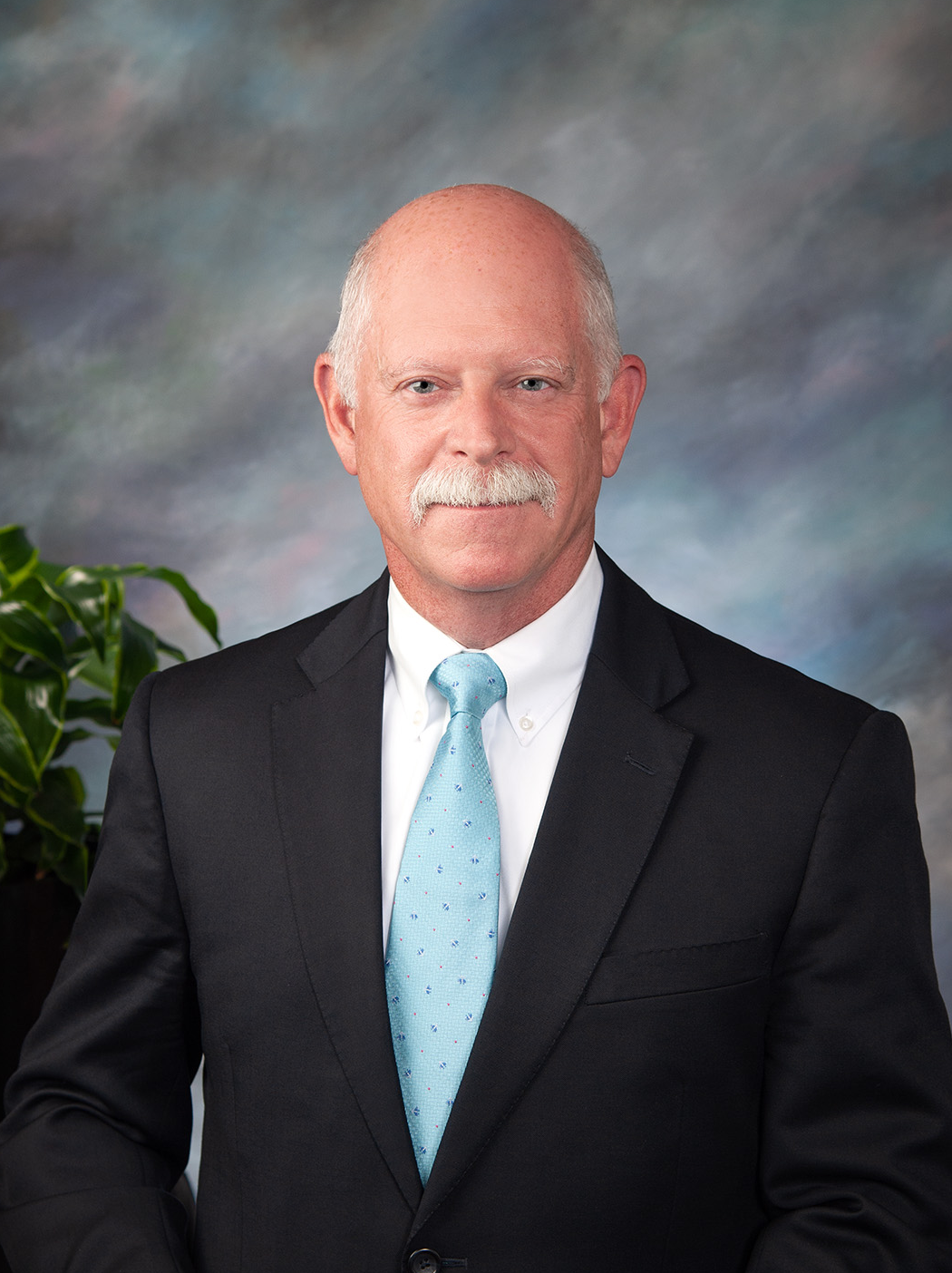
Dr. David Persse
Read Dr. David Persse's tribute
Always a street-wise emergency responder at heart, Dr. David Persse began his lifetime career as an EMT, and, later, after attending medical school and emergency medicine residency, he went on to serve in both resuscitation- and EMS-based fellowships before recruitment to provide training services for the LA County EMS system in the early 1990s. Then, in 1996, he was appointed to become the longstanding and highly-successful Physician Director of the EMS system for the City of Houston EMS where he also later also served, concurrently, for many years, as the City’s public health authority until his retirement in early 2026. At the same time, he served local medical schools with senior faculty and full professor appointments, at which he helped to ensure the most advanced training of medical students, residents and fellows.
His immeasurable legacy includes clear leadership roles in national disasters such as the aftermaths of Hurricanes Katrina and Harvey and many local flooding disasters in the Houston area as well as his very prudent guidance during the COVID pandemic. His legacy also includes the pioneer developments of the Houston Mobile Stroke program, the paramedic squad deployment system, the ETHAN emergency telemedicine methodology, the Houston Police Department (HPD) SWAT team’s tactical medical program, and many other vanguard life-saving advancements in emergency medical care. He also served as Chair of the National Registry of Emergency Medical Technicians (EMTs) where he helped, for several years as board member, to oversee quality initiatives for enhancing the best criteria for certification of EMTs and paramedics nationwide.
Simultaneously, he provided medical oversight for the Houston Fire Department (HFD) and its formidable cadre of 9-1-1 responders as well as the training and mentoring of dozens of EMS physician specialists and many thousands of EMS 9-1-1 responders at HFD and beyond. His leadership role among the so-called medical “Eagles” alliance (the jurisdictional 9-1-1 system medical directors for the nation’s 50-60 largest cities) is legendary. He was always held in the highest esteem by those peers, an alliance that continued to look to him for wisdom, counsel and integrity. While we all will mourn the loss of such a dear friend and devoted public servant, his legacy will endure through the countless emergency healthcare, EMS, and public health professionals he trained, mentored, and inspired throughout his extraordinary life. He touched innumerable lives and will be deeply missed.
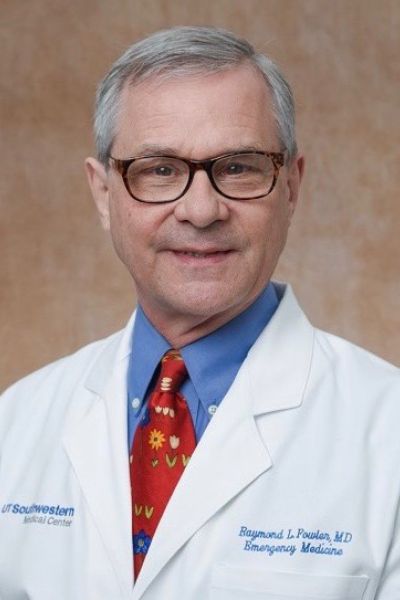
Dr. Ray Fowler
Read Dr. Ray Fowler's tribute
For over nearly 50 years, Dr. Raymond L. Fowler helped shape EMS medicine through patient care, education, scholarship, advocacy, and system leadership. Ray was a principal founder of the National Association of EMS Physicians (NAEMSP) and later became its second nationally elected president. He helped establish the EMS medical directors workshop, which has trained thousands and continues at the association’s annual meeting. Known as the “First Eagle,” he helped establish the EMS State of the Science conference, widely known as the Gathering of Eagles, and the EMS Eagles Global Alliance. He also served as one of the editors-in-chief of NAEMSP’s landmark textbook on EMS physician practice, helping define the specialty’s competencies and advance formal recognition of EMS medicine as a subspecialty. NAEMSP recognized his decades of service with the Ronald D. Stewart Award for long-standing excellence in EMS.
Ray’s work was deeply rooted in Texas. For 25 years, he cared for patients at Parkland. He served as Professor of Emergency Medicine and EMS at UT Southwestern (UTSW), where he was Chief of the Division of EMS and held the James M. Atkins Distinguished Professorship in EMS. He later became Professor Emeritus of Emergency Medicine. At UTSW, he taught and mentored generations of medical students, residents, and EMS fellows. His influence reached across health care and EMS, touching colleagues, learners, and communities in Texas and far beyond. He was the namesake and first recipient of the Texas Chapter of NAEMSP’s Ray Fowler Award for Outstanding Contributions to EMS and Prehospital Medicine in Texas.
Those who knew Ray remember his humility, kindness, and generosity with his time. He had a rare gift for making people feel that they mattered and for believing in them before they believed in themselves. We honor what he helped build and the care he showed to the people around him.